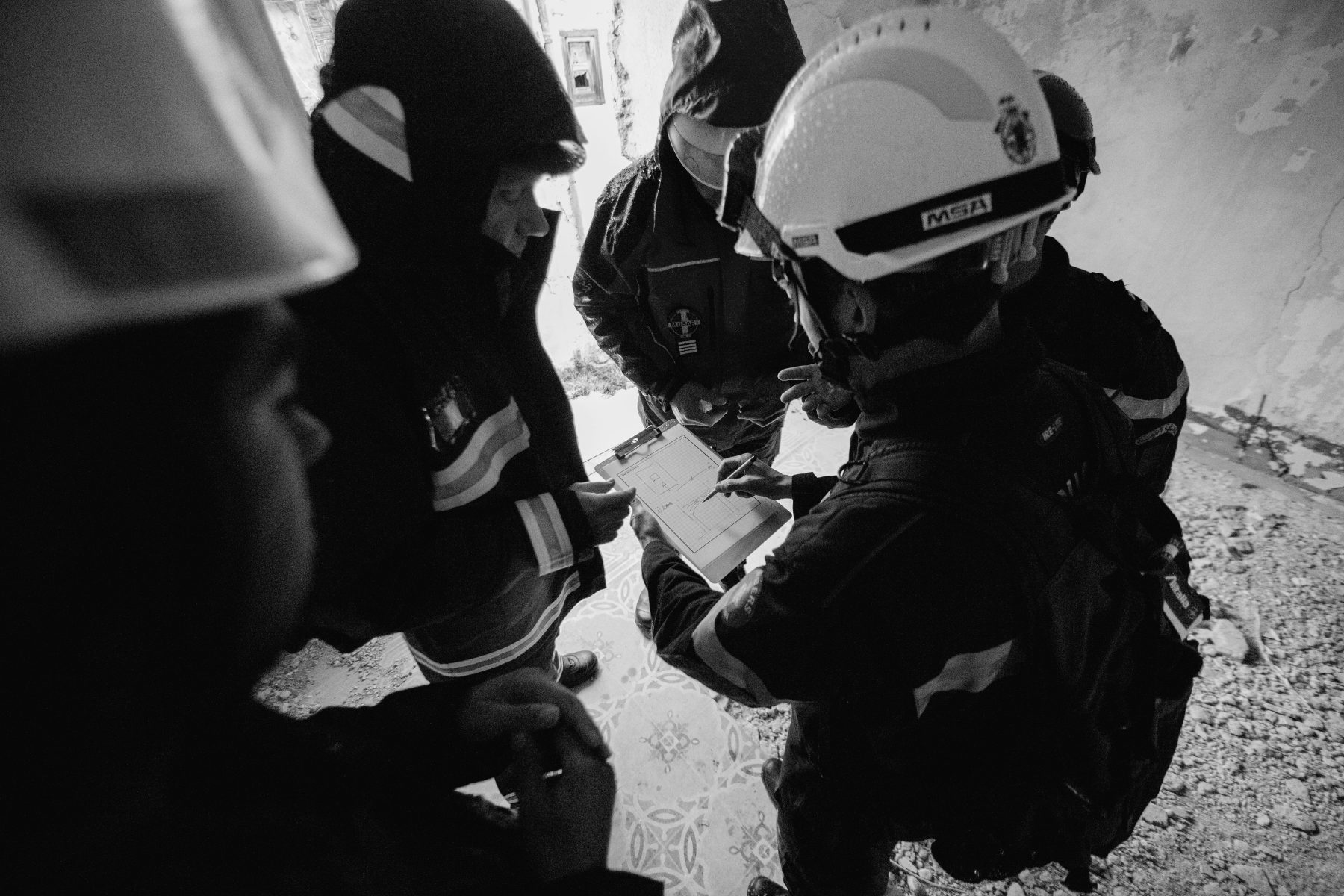

Have you ever come across the phrases «putting yourself in someone else’s shoes» or «walking a day in someone else’s shoes»? These expressions are closely linked to the art of role-playing.
Let's explore together the countless benefits this practice can offer us. We'll take an in-depth look at its benefits, turning this concept into a unique experience you won't want to miss.
Table of Contents
ToggleWhat exactly is role-playing?
Role-playing involves portraying characters in groups, with a focus on dramatization and dialogue.
Its goal is to simulate situations—whether real or imaginary—in order to allow participants to immerse themselves in different perspectives and discover effective approaches to addressing specific issues.
In this dynamic process, theory is put into practice, as each individual simulates and experiences various situations by taking on roles and applying their experiences to integrate new knowledge. Improvisation is important, making it possible to an authentic portrayal that includes the genuine expression of emotions.
Step-by-Step Instructions
Role-playing is not just an activity involving acting out scenarios, but a window into understanding participants’ reactions to various situations. It examines how attitudes and emotions impact different areas of life, from mood to the achievement of goals:
Motivation
At this initial stage, the facilitator takes on the role of a guide, leading the participant into the richness of role-playing. Throughout this journey, time is taken to carefully explain the rules that will structure the experience. At the same time, a motivating environment is created that serves as the foundation for the exercise.
Here, the person immerses themselves in the activity without the burden of worrying about being judged. In addition, potential obstacles are removed, allowing participants to fully immerse themselves in the dynamics of role-playing, exploring without restrictions and discovering the unique dimensions of this experience.
Preparation
A thorough analysis of the topics to be covered is conducted, providing a deep understanding of the elements that will be explored during the activity. This preparatory process serves as the foundation upon which the activity will be built, ensuring a smooth execution.
In addition, roles are assigned carefully and deliberately. Each participant is given a specific role that contributes to the development of the situation. This Strategic allocation seeks not only to diversify perspectives, but also to promote smooth and consistent implementation.
Improvisation
This is the moment when the participants, swept up in the atmosphere that has been created, become completely immersed in the performance. Here, The magic of role-playing unfolds as amateur actors dive into improvisation, bringing to life performances that ingeniously incorporate the roles assigned to them.
The authenticity of the experience is highlighted by the spontaneity that drives every interaction. The ability to respond in the moment, without a predetermined script, adds layers of depth and realism to the performance. This act of improvisation enriches the connection with the characters they are portraying.
Debate
The ensuing discussion becomes an essential tool for unraveling the complexities of these interactions. Facial expressions, tone of voice, and gestures Physical evidence is subjected to a meticulous analysis, providing a deeper understanding of the emotions underlying each scene portrayed.
Exploring feelings plays a crucial role, as the goal is to understand how emotions influenced the responses and decisions made during role-playing. The arguments presented during the role-plays are broken down and analyzed for validity and coherence.
Benefits of Role-Playing
In 1932, psychiatrist Jacob Levy Moreno introduced role-playing, marking the beginning of psychodrama. Although its roots lie in psychology, this technique has flourished in various fields:
Empathy
Interpreting another human being opens a window to a deep understanding of their reality, the obstacles they face, and the positions they hold.
This process not only broadens an individual's personal perspective, but it also acts as a catalyst to foster a more flexible mindset and adaptable in their interactions with others.
Self-Awareness
As you immerse yourself in this exercise, your own emotional complexities are revealed, providing fertile ground for exploring the motivations behind each behavior and reaction in life’s various situations.
This process, beyond being an exercise in empathy, becomes a powerful tool for unraveling the deepest layers of the individual psyche, enabling a constantly evolving self-awareness.
Emotions
The fundamental essence of improvisation in role-playing acts as a catalyst that triggers a cascade of authentic emotions and feelings. This process facilitates a healthy approach to understanding, channel and express these emotions in a positive way.
The resulting emotional insight becomes a valuable tool for preventing negative influences on daily attitudes, strengthening interpersonal relationships, and contributing to personal well-being in a way that promotes authenticity and emotional growth.
Reduces stress
When confronted with the tensions inherent in representations, participants are prompted to analyze their reactions to challenges, gaining an understanding of how internal tensions manifest themselves.
This in-depth analysis serves as a self-regulation mechanism, enabling individuals to effectively cope with and manage stressful situations.
The result is a significant improvement in emotional resilience and the ability to bounce back—crucial aspects for facing the challenges of daily life with greater strength and clarity.
Social Skills
In the social sphere, role-playing serves as a laboratory where participants can experiment, practice, and hone their interpersonal skills. From from the ability to communicate effectively to the skill of reading Social cues; this dynamic practice translates into a tangible increase in social competence.
In the workplace, it serves as a valuable tool for improving skills such as effective communication, conflict resolution, and teamwork. Therefore, it is very valuable when used correctly.