
The Low-Voltage Electrotechnical Regulations (REBT) is one of the the most relevant technical standards in the field of electrical installations in Spain. Proper implementation is essential to ensuring the safety of people, the efficiency of facilities, and legal compliance in construction, industrial, and service projects.
In the current context, marked by the regulatory update by 2026, Knowledge of REBT is essential for engineers, licensed installers, and companies in the electrical sector. This article provides a comprehensive and up-to-date overview of its scope, technical requirements, and main practical implications.
Table of Contents
ToggleWhat is covered by the low-voltage electrical regulations?
The Low-Voltage Electrotechnical Regulations, approved by the RD 842/2002, It establishes the technical requirements and safety guarantees that must be met by electrical installations connected to a voltage of less than 1,000 V AC or 1,500 V DC.
Its main objective is to ensure that All electrical installations are safe, efficient, and suitable for their intended use. In this regard, the regulations govern aspects such as the design, construction, verification, maintenance, and inspection of the facilities.
Among the most important elements are the general power supply line (LGA), electrical panels, overload and short-circuit protection systems, and grounding requirements. It also establishes the criteria for performing electrical measurements, which are essential during the verification and certification phases.
In practice, REBT electricity acts as a mandatory technical guidelines to ensure that all installations meet the minimum safety standards required in Spain.
Key Changes in the REBT 2026
The transition to the REBT 2026 framework focuses on the adaptation to new energy needs, such as the electrification of transportation, photovoltaic self-consumption, and the digitization of facilities.
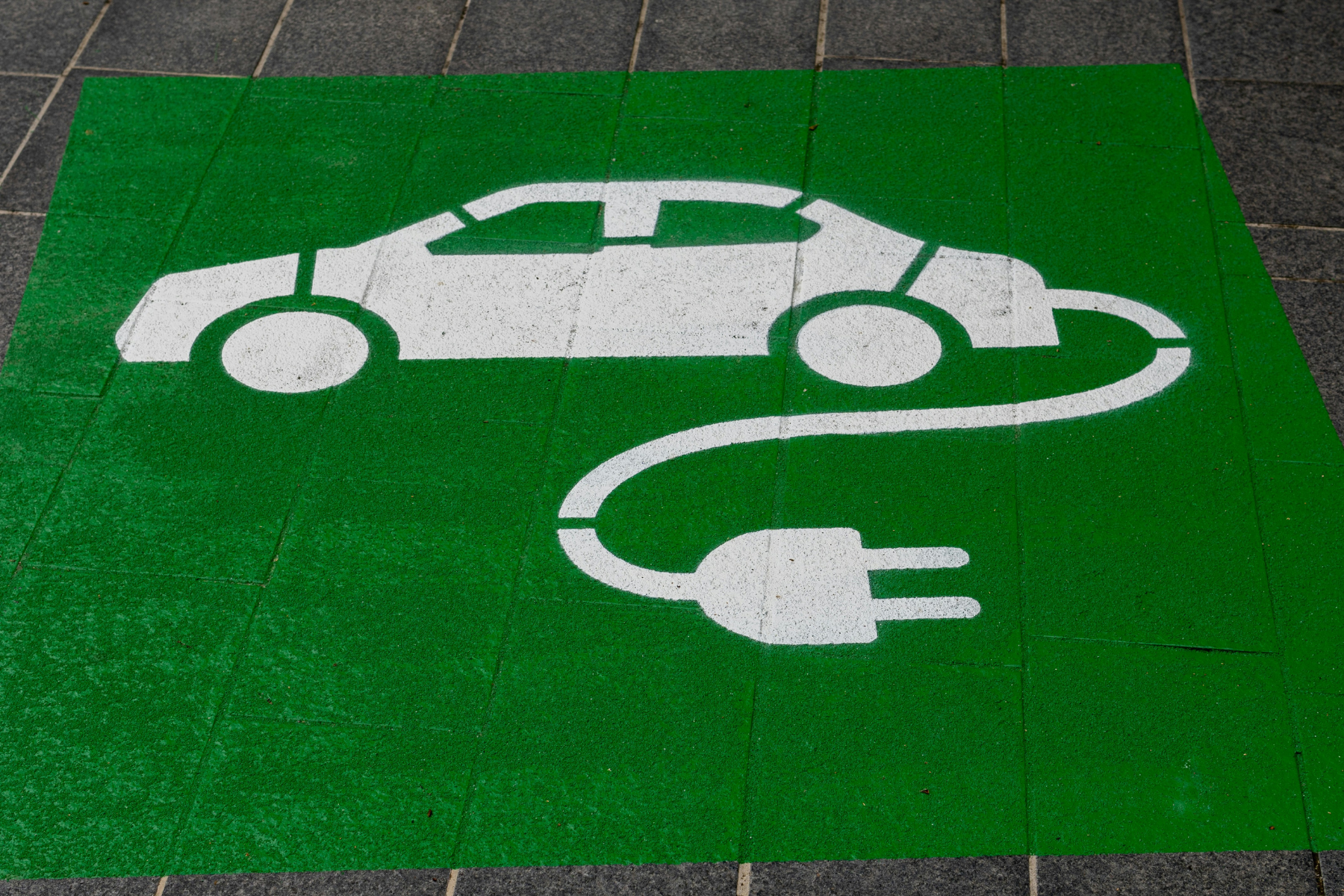
Among the key changes are the updated requirements for REBT electrical installations in energy-efficient buildings, the strengthening of safety measures at electric vehicle charging stations, and stricter requirements for the certification of electrical installations through digitized documentation.
In addition, efforts are being made to promote a greater integration of energy monitoring and control systems, which improves traceability, preventive maintenance, and the overall efficiency of the facilities.
Regulations Related to REBT
REBT does not operate in isolation, but rather is supplemented by other technical standards that ensure the stability of Spain's power system.
Among them, the following instructions stand out: Complementary Techniques (ITC-BT), that address specific aspects of the regulations, as well as the Technical Building Code (CTE) with regard to building safety.
The following also participate UNE standards and the regulations governing electric utilities in Spain, as well as electricity distributors, which establish technical requirements for grid connection and access to the electricity supply.
Which facilities are affected by the REBT?
REBT is mandatory for all low-voltage electrical installations, in residential, industrial, commercial, and service settings alike.
This ranges from single-family homes to large industrial facilities, including lighting infrastructure and electric HVAC systems. It also regulates elements such as residential electrical circuits and the REBT main power line, which are essential for power distribution within buildings.
In all cases, any installation connected to the power grid must comply with the regulations in order to be approved and put into service by the electric utilities or distributors. The following table lists the main Established types of inspections:
Types of Inspections
Initial Inspections
The initial inspections are carried out Before an electrical system is put into operation. Its purpose is to verify that the completed project complies with the REBT and the corresponding technical documentation.
During this phase, protective devices, electrical schematics, ground continuity, and electrical measurement results are reviewed to ensure that the installation is safe from the outset.
Periodic Inspections
The periodic inspections help ensure that the facilities remain safe over time.
They are particularly important in industrial facilities or public venues. These inspections help detect potential REBT errors before they lead to serious malfunctions, electrical hazards, or administrative penalties.
Special Inspections
The unscheduled inspections are carried out when there are significant changes to the installation, following an electrical accident, or as required by the competent authority.
The purpose is to verify that, following the changes, the installation continues to comply with current regulations and poses no risk to people or equipment.
Components and Technical Requirements of REBT
REBT states that Detailed technical requirements for all components of an electrical installation.
Key components include electrical panels, residual current protection systems, wiring, conductors, and grounding. In particular, the REBT electrical panel must ensure protection against overloads, short circuits, and indirect contact.
Furthermore, the technical design report is an essential document for many installations. It includes a description of the installation, the expected power rating, the single-line diagram, the circuit list, and the protection calculations. Preparing this report correctly is essential for the installation to be approved.
Penalties and Liabilities
Failure to comply with the REBT may result in REBT administrative sanctions, as well as in the shutdown of facilities or civil and criminal liability in the event of an accident.
The most common REBT errors are related to unpermitted installations, unauthorized modifications, or failures in protection systems.
Responsibility lies with both the facility owner and the authorized installer, who must ensure strict compliance with current electrical regulations.